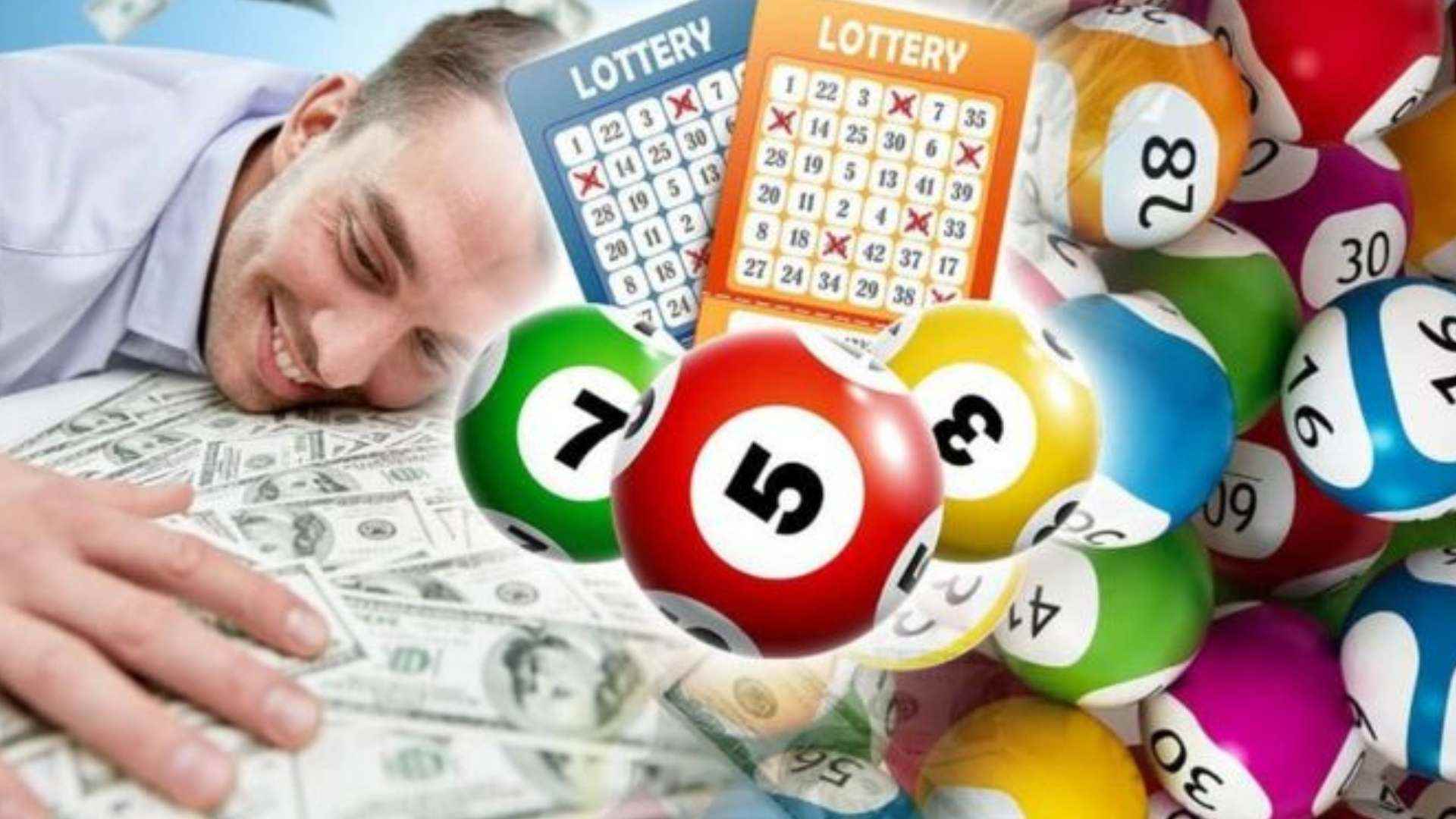
Experiencing a loss when the outcome is completely beyond personal influence triggers a unique emotional reaction. While failure resulting from poor decisions invites self-reflection, loss driven by pure chance often creates deep frustration and confusion. Understanding how the human brain processes unpredictable results helps individuals develop better mental resilience and healthier expectations.
The Illusion of Control and Unpredictable Events
Humans naturally seek patterns and causes to explain every event they experience. When faced with purely random occurrences, the brain still attempts to find logic where none exists, leading to cognitive friction. This psychological bias often makes people feel accountable for scenarios that were impossible to manage.
When an individual cannot influence the result, losing feels like a direct disruption of personal agency. Recognizing that certain events are governed strictly by external factors is the first step toward reducing emotional strain.
Managing Frustration from Unexpected Defeats
Losing to uncontrollable circumstances frequently triggers acute frustration because traditional problem-solving skills offer no solution. Individuals cannot simply adjust their technique or study harder to change the final result. This helplessness often leads to overanalyzing previous actions in a futile effort to find hidden mistakes.
To navigate this emotion effectively, experts suggest separating personal skill from arbitrary results. Accepting that unpredictable factors play a major role in many activities prevents unnecessary self-criticism.
Entertainment Mechanics and Risk Acceptance
In many modern digital environments, chance serves as the core foundational mechanic. Engaging with chance-based activities, such as spinning a reel or trying an online m88 slot, requires participants to accept that the final result is entirely automated and unpredictable. Recognizing these boundary lines allows users to enjoy the experience without taking adverse results personally.
When expectations align with reality, the focus shifts from controlling the outcome to enjoying the moment. This mindset fosters a healthier relationship with games and activities reliant on pure luck.
Reframing Failure Beyond Personal Competence
True emotional resilience comes from redefining what failure means in unpredictable environments. When an outcome cannot be dictated, a negative result should never be viewed as a personal failure or lack of capability. Detaching self-worth from random events helps individuals maintain confidence across various aspects of life.
By evaluating experiences based on the quality of decision-making rather than factors beyond reach, people cultivate patience. Embracing uncertainty ultimately leads to greater emotional balance and peace of mind.