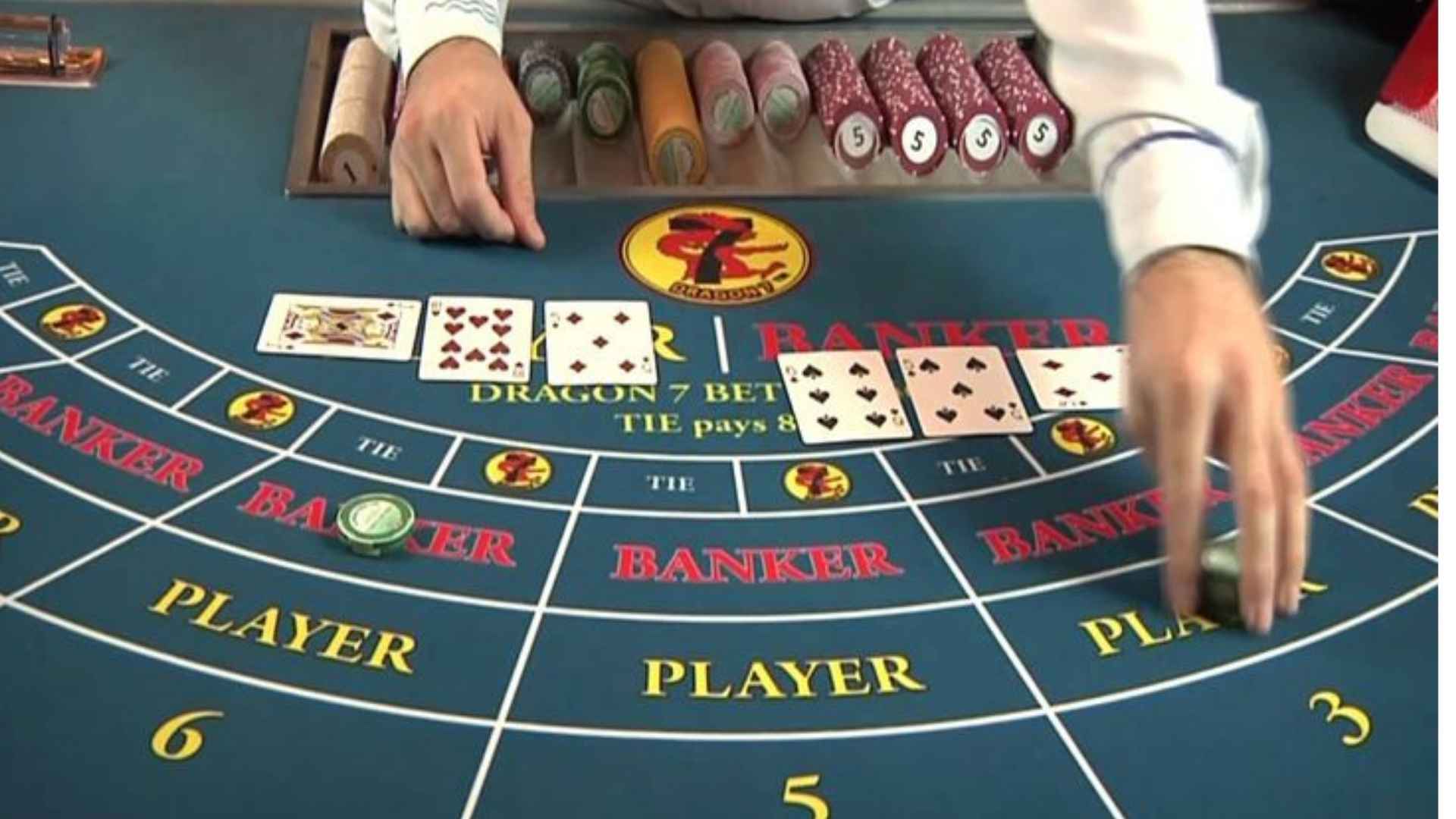
For card game lovers seeking the ultimate test of strategy and partnership, contract bridge stands out as an unparalleled intellectual pursuit. Unlike many traditional card games that rely heavily on luck, bridge emphasizes mathematical precision, memory deduction, and deep communication. For every enthusiast looking to transition from casual play to structured games, mastering the core fundamentals is the first major step toward long-term success.
The Essential Structure of the Auction
Every hand of bridge begins with the bidding process, which serves as a vital conversation between partners to find the best contract. During this phase, you and your teammate must describe the strength and distribution of your cards without showing them. Developing a clear understanding of basic point counting and natural bidding systems prevents costly misunderstandings at the table.
As card games continue to capture the interest of modern analytical minds, many players compare the deep teamwork and strategic planning found in bridge to the coordinated actions seen in competitive M88 esports tournaments. To build a strong foundation, partnerships should focus on established standard conventions to communicate their holdings with high accuracy. Clear communication during the auction ultimately ensures that you reach the most lucrative contract possible.
Formulating a Tactical Plan as Declarer
Once the bidding phase concludes, the player who won the contract becomes the declarer and must execute the play of the cards. The very first rule of successful play is to pause and formulate a complete strategic plan before playing a single card from your hand. Experienced players use this brief window to count their certain winners and identify potential defensive threats.
To maximize your chances of success, you should carefully analyze the distribution of the opposing cards based on the bidding history. Managing your entries between your own hand and the dummy hand is crucial for executing advanced maneuvers like finesses or establishing side suits. Consistent planning at the beginning of each round separates hesitant beginners from confident competitors.
Mastering Defensive Play and Card Signaling
In bridge, you will spend half of your time playing on the defensive side, which requires even tighter cooperation with your partner. The opening lead is the single most important defensive card played during a hand because it sets the tone for the entire round. A well-considered lead can instantly disrupt the declarer's initial strategy and establish your own long suit.
Defenders must also rely on card signals to share critical information about their remaining cards legally during the play. By utilizing specific card-playing sequences, you can indicate your strength or interest in a particular suit to your partner. Continuous observation of the cards played on the table is the key to defeating difficult declarations and securing victory.