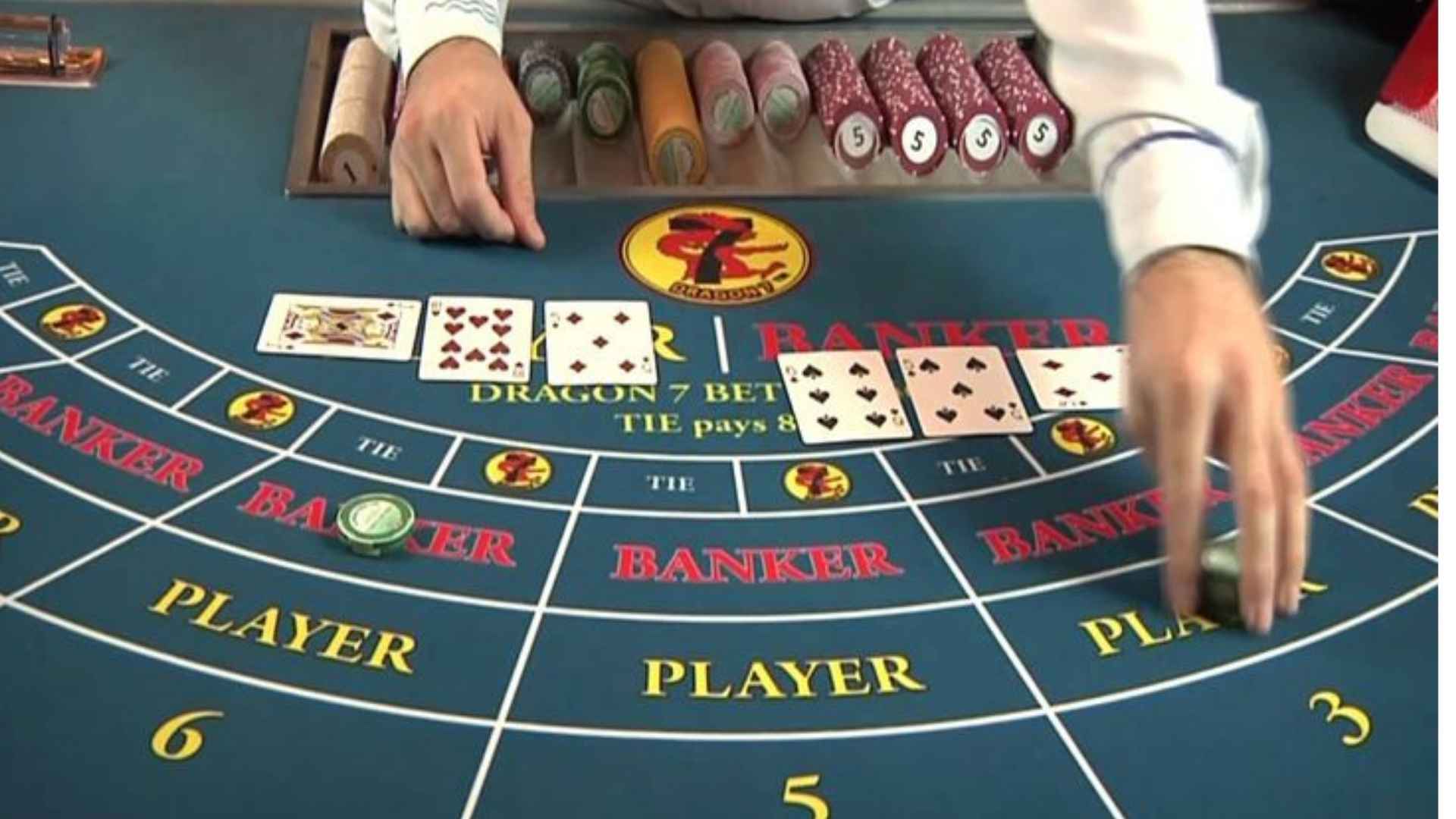
Tabletop gaming has transformed from a simple pastime into a powerful tool for sharpening cognitive abilities. Modern board games challenge players to evaluate complex scenarios, anticipate outcomes, and execute long-term strategies under pressure. Engaging with these structural challenges regularly helps individuals refine their critical thinking and everyday analytical skills.
The Psychology of Risk Assessment in Gaming
Every strategic board game forces participants to balance calculated risks against immediate rewards. Players must constantly analyze the potential consequences of their choices while dealing with limited information and unpredictable opponents. This ongoing evaluation replicates real-world dilemmas where quick, logical reasoning is vital for success.
By actively practicing risk management in a controlled setting, players develop a stronger resilience to analytical stress. Making mistakes during a session provides immediate feedback, allowing individuals to adjust their tactics for future moves. This iterative cycle directly builds a mindset that values long-term planning over impulsive choices.
How Resource Management Sharpens Cognitive Flexibility
Many modern titles center on optimizing limited resources, such as currency, territory, or specific game pieces. Participants must determine the most efficient distribution of their assets while blocking competing strategies. This dynamic environment demands extreme cognitive flexibility, as original plans must frequently adapt to shifting conditions.
For individuals looking to explore fast-paced decision-making in other competitive arenas, analyzing advanced statistics on platforms like M88 esports can offer a fascinating parallel. However, the core principles of managing assets and executing calculated tactical adjustments remain firmly rooted in traditional tabletop design. Mastering these systems ensures that players can navigate unpredictable real-world scenarios with greater composure.
Improving Social Dynamics and Collective Problem Solving
Cooperative and semi-cooperative board games introduce unique layers of interpersonal communication to the decision-making process. Teams must negotiate, delegate responsibilities, and resolve conflicting opinions to achieve a shared victory. Managing these group dynamics requires a high level of emotional intelligence and transparent communication.
Working together against an automated game system teaches participants how to leverage individual strengths for a collective goal. It also highlights the importance of accountability, as a single miscalculation can impact the entire group. These collaborative experiences translate directly into enhanced teamwork and leadership capabilities in professional settings.
Building a Habit of Strategic Foresight
Ultimately, the habits formed around the gaming table encourage a structured approach to solving everyday problems. Regular players naturally learn to view challenges through a broader lens, looking several steps ahead rather than focusing solely on immediate conditions. This long-term perspective is the foundation of mature, reliable critical decision-making.
Integrating these mentally stimulating activities into your weekly routine can lead to lasting cognitive benefits. Whether choosing complex political simulations or quick tactical card duels, the mental exercise remains invaluable. Investing time in physical tabletop hobbies is a proven way to keep the mind sharp, adaptable, and analytical.