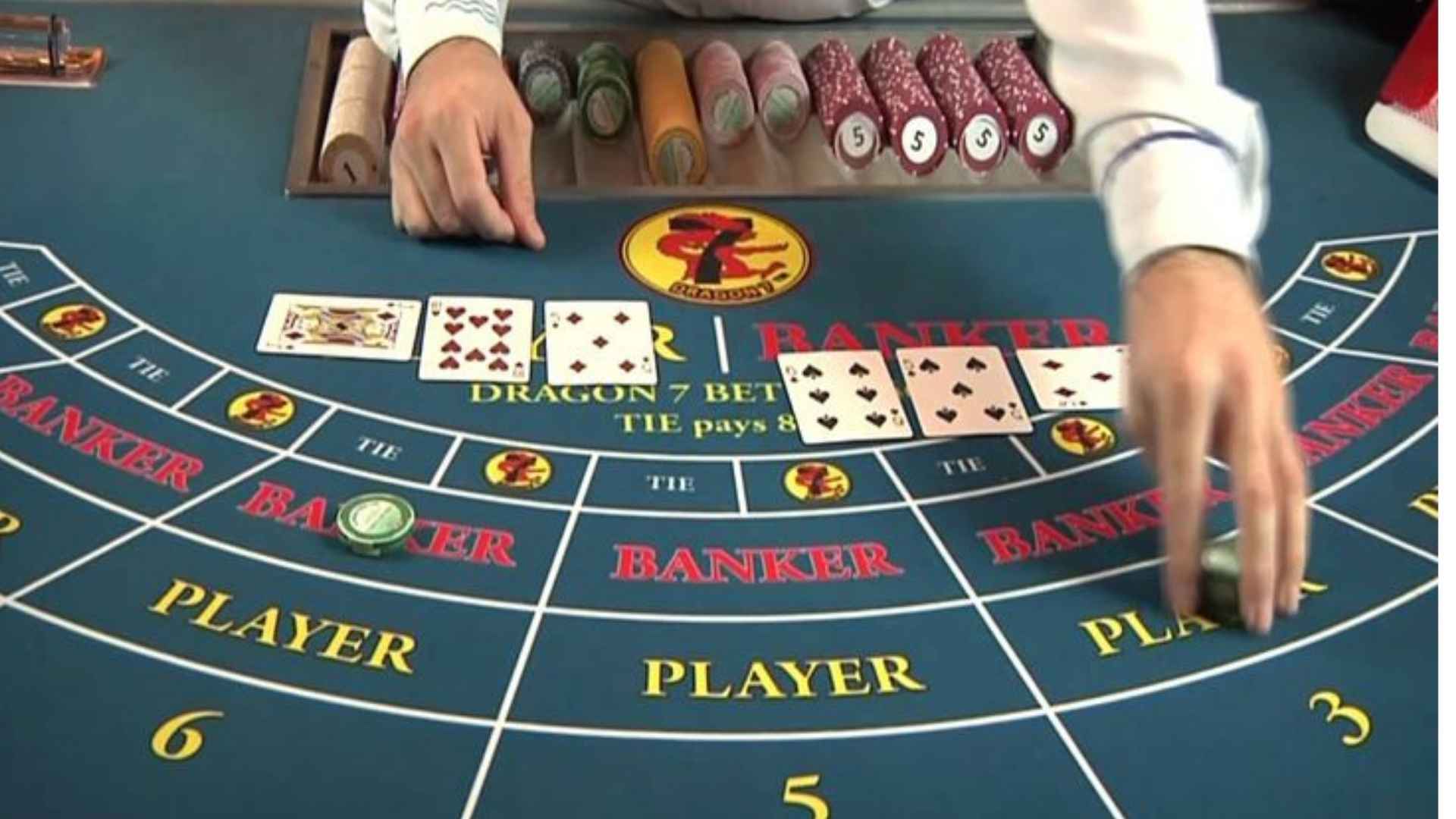
Many casino patrons assume that consistent winning is the ultimate goal when placing bets on popular gaming tables. However, skilled players occasionally face unexpected bans or restrictions from gaming establishments after securing notable payouts. Understanding how venues monitor player performance helps clarify why management sometimes intervenes in winning streaks.
The Legal Right of Refusal
Commercial casinos operate as private properties in most jurisdictions across the globe. This legal designation gives management the right to refuse service to any patron without needing to prove criminal activity. When a player wins consistently using advanced advantage play techniques, the operator may issue a formal trespass notice.
These operational decisions protect the establishment from long-term financial exposure against highly analytical bettors. Gaming venues monitor table statistics continuously to identify sharp play patterns. Readers seeking general gaming information often explore trusted sources like m88 judi togel to understand industry standards better.
Advantage Play Versus Illegal Cheating
It is vital to distinguish between advantage play methods and actual fraudulent conduct. Advantage players rely on mathematical strategies like card counting or edge sorting to gain a slight legal statistical edge. Cheating involves altering game mechanics, using illegal devices, or manipulating cards, which leads directly to criminal charges.
While card counting is legal, casinos actively discourage it by asking suspected counters to leave the premises. Management typically polite inform the player that their action is no longer welcome at specific table games. The player remains entitled to collect their legitimate accumulated winnings before leaving the property.
How Surveillance Identifies High-Value Winners
Modern gaming floors utilize sophisticated surveillance systems alongside trained pit bosses to track player behavior. System algorithms monitor betting variations, specifically looking for players who increase stakes rapidly during advantageous counts. Consistent precision in wager sizing often triggers security reviews by floor managers.
Once floor supervisors identify a player with a persistent mathematical edge, they evaluate the venue's overall risk. The casino may adjust house rules, shuffle decks earlier, or implement betting caps to neutralize the advantage. If these tactical modifications fail, management usually issues a personal exclusion notice to protect house revenue.
Player Rights and Collecting Winnings
Receiving a ban or trespass warning does not mean a player forfeits their lawful earnings. Gaming regulatory bodies require venues to honor valid bets made prior to the exclusion order. Unless the establishment can prove illegal tampering or fraud, the patron is entitled to cash out all remaining chips.
Players who feel wrongfully banned can submit formal inquiries to local gaming control boards for review. State regulators audit surveillance footage and dealer records to resolve payout disputes fairly. Understanding venue policies allows players to navigate table rules responsibly while protecting their gaming rights.