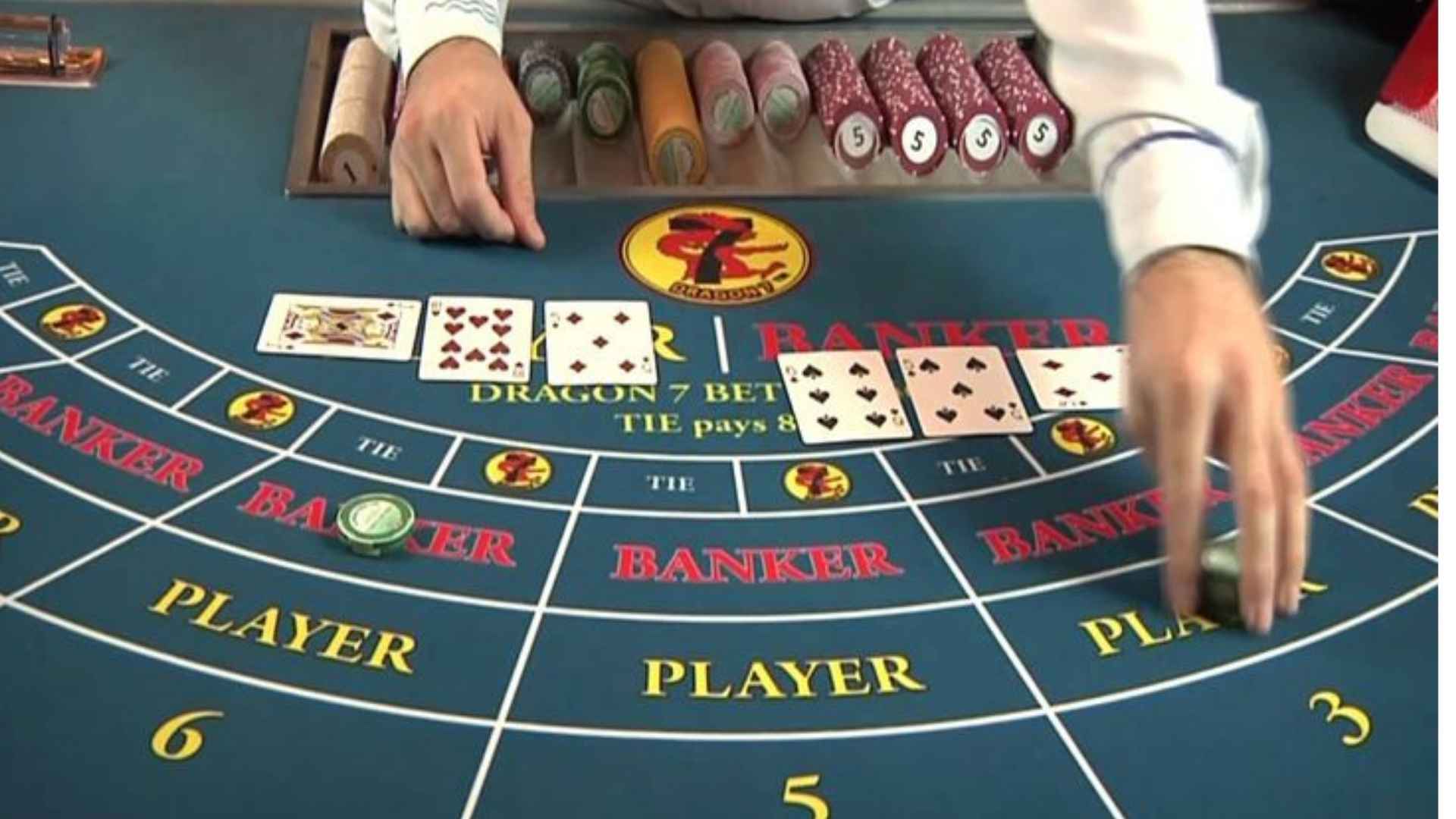
Sic Bo is a historic table game that offers an engaging alternative to traditional casino options by focusing entirely on the roll of three independent dice. Originating in ancient China, this fast-paced game of pure chance has successfully entered modern gaming rooms across the globe. For beginners, understanding the practical flow of a standard session is the most reliable way to approach the table layout with confidence.
The Foundations of the Table Layout
The immediate visual impression of a traditional table can feel overwhelming due to the massive variety of betting spots displayed across the surface. Each individual section represents a specific mathematical outcome based on the simultaneous shake of the three dice. Players place their designated chips on these spaces before the gaming container is revealed by the dealer.
Learning to navigate the geometry of the layout allows participants to quickly distinguish between conservative options and high-stakes choices. The top boundaries usually highlight the simplest combinations, which offer the most consistent winning opportunities. As you move toward the center, the board introduces intricate point totals and specific numeric groupings.
Stepping into Your First Active Round
Every round follows a structured gameplay loop that begins when the dealer invites participants to place their wagers. You can select single numbers, exact mathematical sums, or specific combinations depending on your individual session strategy. Once the call for no more bets is announced, the three dice are shaken mechanically inside a sealed glass chest.
The immediate results are illuminated across the digital board, allowing winning bets to be resolved automatically based on established payout tables. For individuals looking for reliable platforms to study these dynamics, checking out resources like M88 togel can provide helpful insights into online variations. Observing several rounds without risking capital is an excellent habit for mastering the timing of the live dealer window.
Navigating High Risk and Balanced Wagers
The safest entry points for any newcomer are the Small and Big propositions, which cover broad cumulative totals. A Small wager wins if the combined sum falls between four and ten, excluding any triple outcomes. Conversely, the Big wager covers values from eleven to seventeen, offering the lowest house advantage on the entire layout.
Advanced participants often seek higher payouts by placing chips on specific single-number predictions or exact numeric triples. While predicting that all three dice will show the exact same value offers a massive payout, it carries a much steeper house edge. Balancing these volatile bets with steady even-money options is essential for preserving your entertainment budget over time.
Practical Habits for Long Term Enjoyment
Developing strict bankroll discipline is the single most important factor for maintaining control during highly volatile dice sessions. Setting distinct budget limits before joining a physical or digital table ensures that emotional choices do not compromise your finances. Splitting your total capital into small units per round allows for prolonged time at the table.
Utilizing free digital simulations is a highly effective way to practice reading the payout structures without any direct financial pressure. Taking the time to study the probability charts printed directly onto the board surface naturally builds your long-term confidence. Ultimately, enjoying this classic Chinese pastime depends on patience, statistical awareness, and appreciating the natural unpredictability of the dice.